The Path With No End
Does the truth magically become false because it’s doubted? It doesn’t matter what the topic is, substitute any affair; busting out our microscope of honest skepticism and questioning does not turn the truth to false. In fact, the actual truth of the affair typically becomes even more obvious by taking a closer look at it with honest questioning. It’s a pretty interesting phenomenon when you think about it. Truth doesn’t mind the questions. Only false, can possibly fear an honest investigation and skeptical analysis of the facts.
Let’s use an example of demonstration that many of us might be familiar; even if it hasn’t happened to you, it’s unlikely that you don’t know someone that it hasn’t happened to. Earl and Shirley have been married and living together for 40 years. Recently, Shirley’s friend Kathy came over to visit, and while she was there, let her in on the town gossip; and the gossip’s saying that her husband Earl’s been frequenting the local brothel house. How would you handle this if you were Shirley?
The believer is left with a conundrum – do I believe Kathy or do I believe Earl? What if Kathy’s the deceiver and actually just trying to move in on what she knows is a good man and take advantage of an artificially created separation of mistrust? What if Earl really is lying? Many Shirley’s have just blindly believed one side or the other with no questioning thought of skepticism whatsoever; some Shirley’s didn’t even need to investigate the claim for themselves, the lie confirmed what she wanted to be true the whole time and now she can focus on her affair with the mailman without feeling guilty.
The knower does not have any of these problems. When presented with the information we rigorously ask honest questions like: “how do you know”, “what times/days of the week does it happen”, and “how can I catch the liar in the act”? The knower does not “believe” either side but performs an honest and thorough investigation into the affair that can only possibly get to the truth of the matter. If the truth is that Kathy’s lying about the town gossip, the investigation will show that’s the obvious case, as no actual evidence of Earls affair can possibly exist if she’s lying. If the truth is that Earl’s the liar and Kathy was right, than the honest investigation will show that as well.
The truth is that no deception can possibly exist without blind, unthinking, and unquestionable belief. Neither Earl nor Kathy can possibly deceive Shirley if she focuses her honest efforts on knowing. It’s not just possible, the truth of the matter is always exposed in an unbiased skeptical analysis and investigation of all evidence and testimony. It’s practically a natural law of integrity, truth cannot be destroyed. If Earl’s the liar, he requires blind and unthinking and unquestionable faith and belief to be a successful one. The same is true of Kathy. Only the person telling us the truth is going to encourage and enable an authentic investigation into the matter, however; and the liar will make considerable effort to distract us from that task.
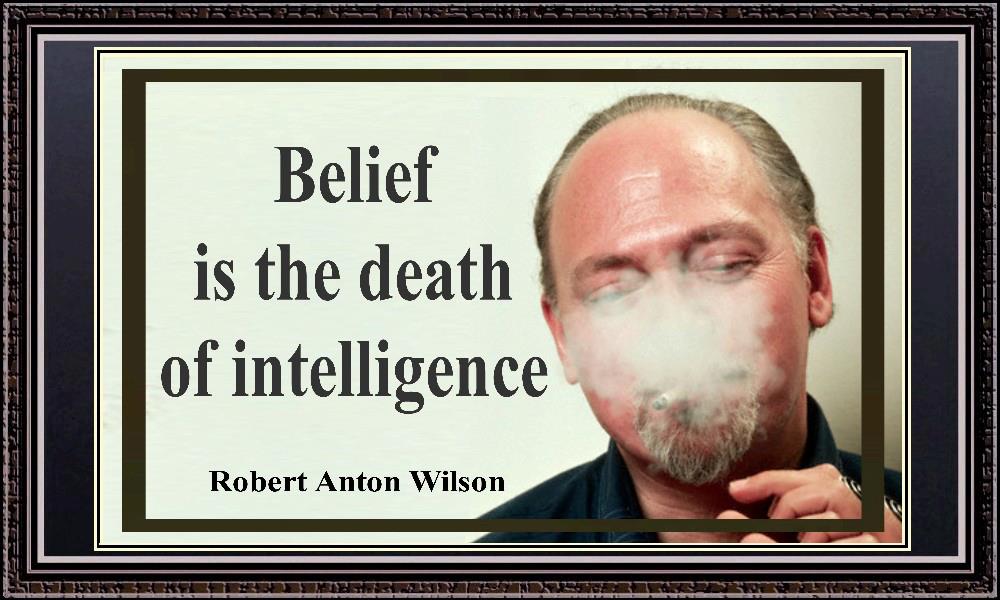
As Shirley performs the investigation, and she follows Earl next Saturday to the “golf course” and the first ding oops, missed the exit for the golf course. He must be heading to the brothel house and we can head home and stop investigating, right? WRONG! The possibility still exists that Earl just missed the exit, it’s happened to us all and many of us more than once. Let’s not jump to a conclusion we want to believe based on a possible coincidence, so we’re going to keep investigating with authentic integrity and not believe anything that’s not an obvious “smoking gun with fingerprints and genetic material match.”
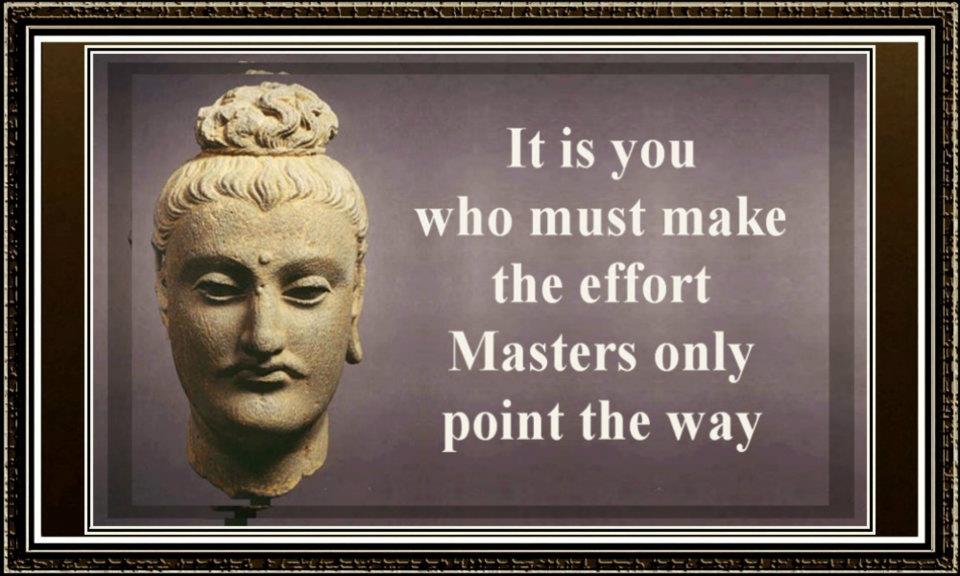
Twenty minutes later, as she’s weeping in the parking lot of a building called “John’s Place – A Place For Johns”, Shirley is grateful to her friend Kathy coming to let her know what was really going on. She could have just believed Kathy without investigating for herself and still come to the right conclusion by luck, but she still would have never really KNOWN the truth. Now that she’s on site and seen the truth for herself, she doesn’t have to believe Kathy anymore, now she knows the truth. Kathy didn’t want to just be blindly believed, she even answered the questions honestly and encouraged the honest investigation. “Yep Saturdays usually around 2-3 oclock” – “Well that’s not a coincidence, that’s when he say’s he’s playing golf.”
The truth is obvious when we look for it with integrity. Not so obvious when we want to believe this other thing over here. Just imagine if Shirley were the trusting believer in Earl, and thought her actual honest friend trying to look out for her, was actually the liar in the situation. Maybe not even maliciously, maybe she just writes it off, sweeps it under the rug with the classic “you must be mistaken my Earl with someone else”. Uh, no lady, that kind of response just means you have mistaken your own brain for a sack of potatoes. It is the duty of your brain’s intellectual integrity to know the actual truth of it, or risk potentially believing a lie, which integrity cannot accept.
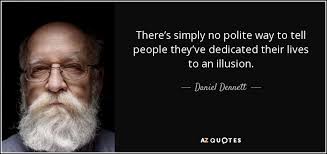
“It’s not even possible, he’d never do that to me. It’s you that’s the liar, not my Earl.” an occasional Shirley sometimes says. But the truth is, deep down she actually knows better. The truth is she’s been noticing many abnormal things going on and pretending they weren’t. Not to necessarily avoid the truth itself, but to avoid the pain the truth causes. 40 years. Facing the truth takes courage. Facing the truth breaks these illusory walls of comfort and legs of stability that weren’t real. Facing the truth requires real change and shifts in focused effort.
This is not simply the truth for Shirley, or even just for that situation, but for all truths of any topic period. With an honest unbiased investigation into all sides evidences, testimonies, witnesses, and arguments, we’ll find the truth of it; and will in fact have quite a hard time avoiding it absent dishonesty and biased leaning away from the obvious truth. And without any honest investigation at all we risk the potential of the claim’s untruth, of bringing it’s untruth to real life by believing.
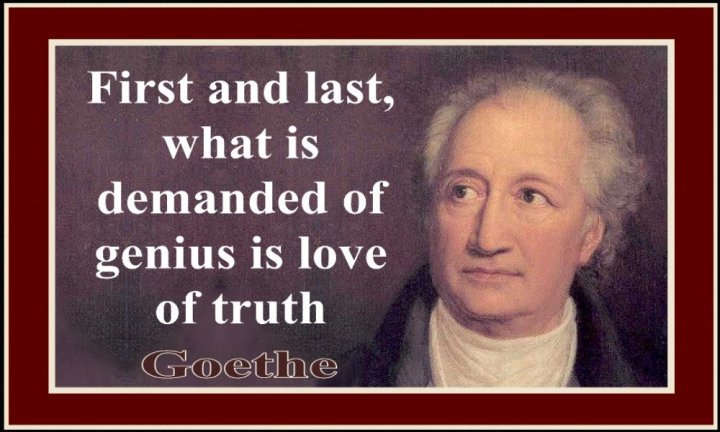
The quest for the truth is the path with no end. Every new truth we discover exposes that much more that we didn’t actually know before, causing legitimate concern for what we don’t know now. When I was six I discovered the truth that Santa Claus wasn’t real. I even thought it was a big deal at the time. It wasn’t, in fact I found out it happens to almost everyone in American society. Since that time I’ve made many mistakes and errors, and quite significant inner changes, in honest humble recognition of the real need to correct the errors.
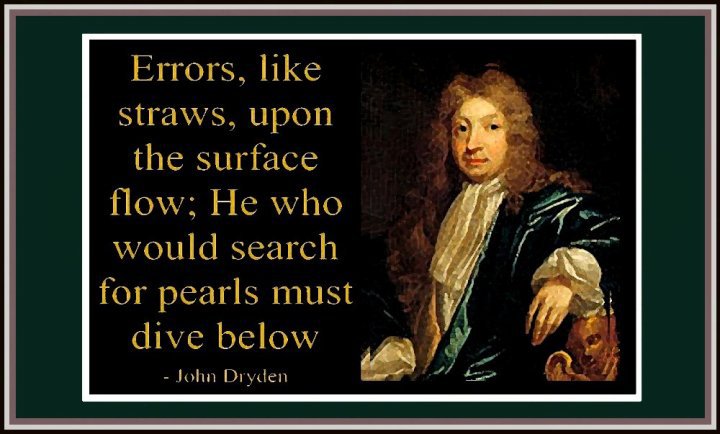
It is our responsibility to ourselves, and duty to Nature and everyone around us, to live in tune with the truth. To constantly critique and correct ourselves with persistent diligent effort. It doesn’t end. To end it is to say “I’m perfect now” which is false, it’s not even possible to be perfect. There’s always something we can be doing better. I deserve better, and the reality I live in deserves better FROM ME.
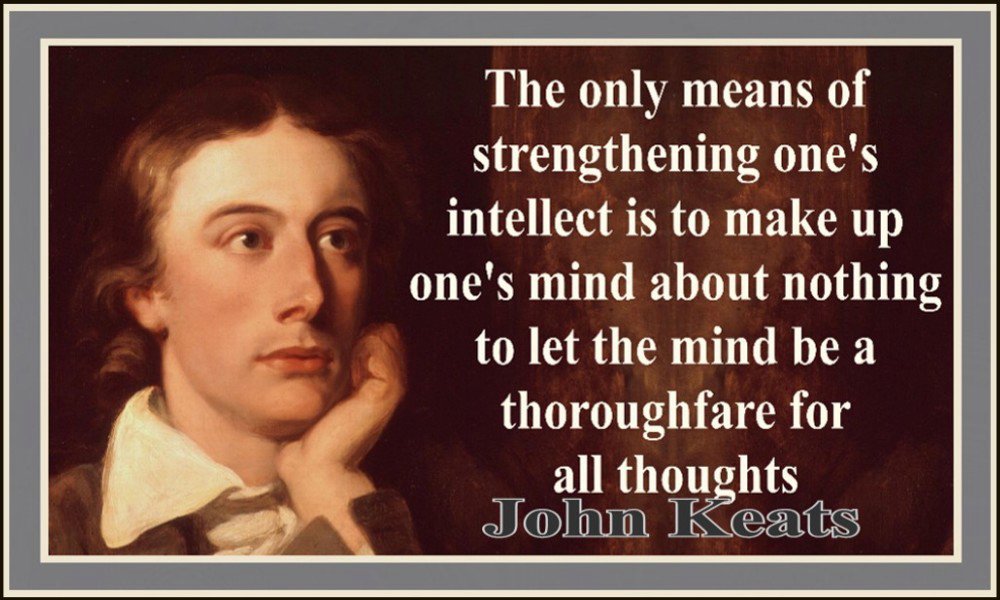
The first time I honestly corrected myself, I was mind blown for a few days about it. Mostly thinking about all the years of my life that I had spent previously, not correcting myself. How did I make it even that far in life with absolutely zero self discipline whatsoever? Of course, by that time I’d already had several arrests under my belt; and it wasn’t too difficult to grasp that I was irresponsibly letting the exterior do my self disciplining for me that I was too coward to give myself. What was shocking about it is the complete lack of consideration at all that I had given it previously. And that, had that crutch of exterior discipline not been there, such a mindless and inconsiderate mentality would have most certainly gotten me or others killed. Even with the crutch, I’ve had a few close calls.
I spent quite a long while contemplating all of the decisions I’ve made over the course of my life, and how those decisions were obviously misguided simply by the lack of knowledge of my own self. There was no need for me to correct any of my mistakes, mistakes and errors were something that only other people do. No matter what actually happened, it was always someone else at fault doing something incorrectly, but never myself. It was nothing short of amazing how I had convinced myself I was perfect and had absolutely no need of correcting anything. Probably the greatest laugh I’ve ever had was at myself, realizing the absolute fool I was, deceiving myself.
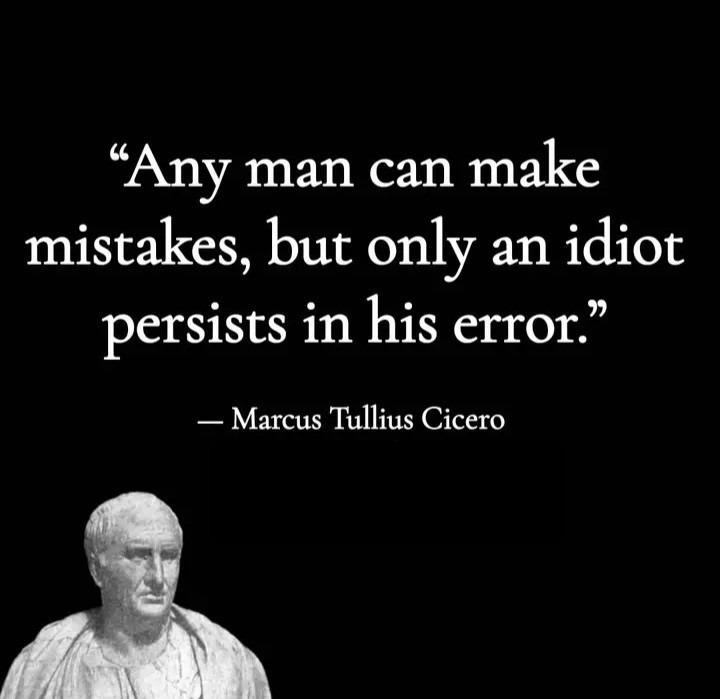
Through the honest and humble correction of our mistakes, we actually become correct in real life, rather than just pretending we are. If people are telling you that you’re narcissistic and ego minded, pay attention and focus on yourself and honestly try to understand what they see. Say it out loud “it’s not always their fault, sometimes it’s my fault”, and own your true accountability in the potential for human error and stop sweeping it under the rug. You’re not perfect, I’m not perfect. We’re both human beings with fallibility issues. Of course, it’s not a requirement to be perfect, to be honest and view yourself from a perspective window outside of your own thoughts of yourself.
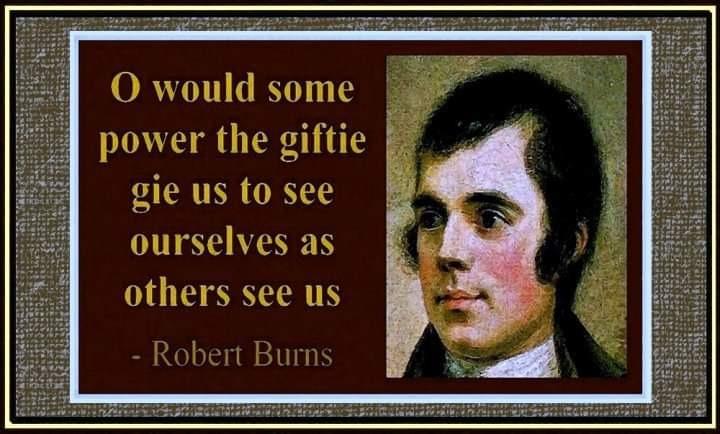
It is an actual requirement of intellectual integrity to set aside and disregard, at least for the purposes of honest consideration, our own opinions of ourselves – and honestly view ourselves from the third party perspective without an egoist bias. How you do you like what others actually see? If you could give yourself a message inside of your head about something you could do better to be more presentable out here outside of your head, what would it be? Maybe, something others have already told you and you disregarded back when you only existed in your head, considering nothing else, and thought the problem was them, perhaps?
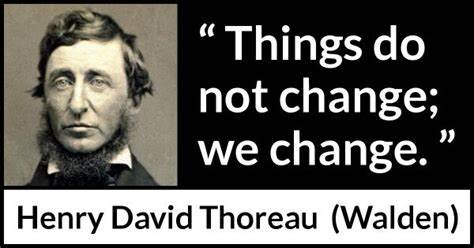
I’ll call you a liar and a fool if you claim you’re perfect and there’s absolutely nothing you can change about yourself to be a better person. I’ve gone through quite several self changes over the years and can still think of many more things I’ve got to work on. None can possibly be as hard on me anymore as I am on myself, as I desire to be a monster in nobody’s story and make considerable focused effort to make sure that it doesn’t happen. With every decision I make, giving full and complete consideration to how it will affect those in my life first, and how it affects me second.
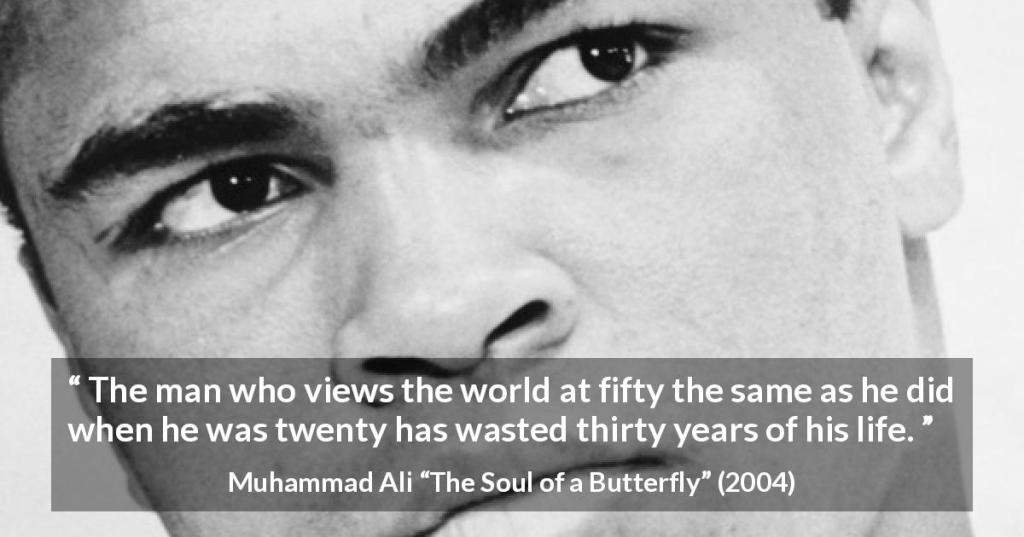
The path of enlightenment is paved with bricks of intentionally forgotten wrongness. Those who never change can only be on some other path of pretend perfection. They aren’t living in reality. Knowing our natural vulnerability to imperfection makes us, the honest, constantly question ourselves. “What can I be doing better?” It does not end, there’s always something worth considering.
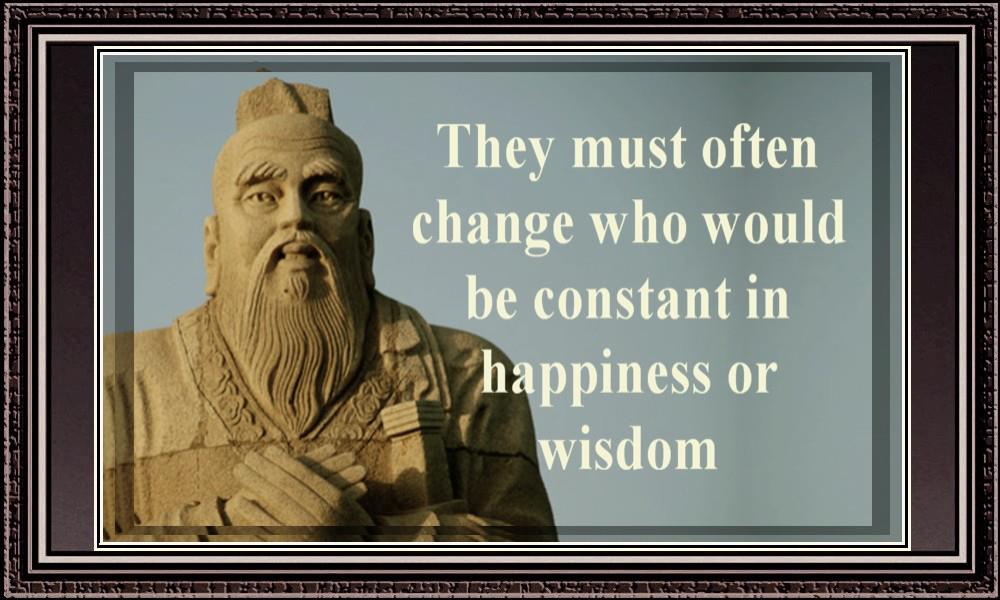
It’s interesting how Confucius’ wisdom did not budge even after several centuries of saying it. It’s still very true today and very wise words to live by. It’s dishonest to critique others without critiquing ourselves first, and changing the things about ourselves we don’t appreciate seeing in others. They probably don’t like to see it from us, either. So let’s treat each other better, by treating ourselves better – telling ourselves and each other even the hardest and most painful truths so the real problems can be honestly focused on, and changed; rather than dishonestly disregarded and swept under the rug as if they don’t exist. Surely you understand such a response can only guarantee that they will.
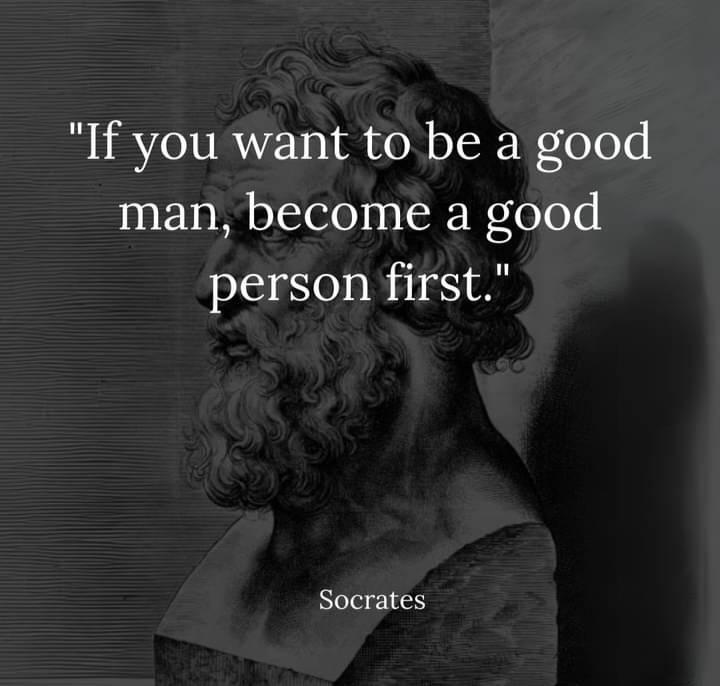
 TIAPROIS